






If you are leading an established business today, your biggest threat may not come from known competitors, but from emerging business models that redefine customer expectations faster than traditional strategies can respond.
Disruption rarely starts at the core. It targets overlooked segments, rigid legacy systems, or outdated delivery models. By the time revenue or market share is affected, the cost of reacting is significantly higher.
For enterprise leaders responsible for growth and modernization, understanding disruptive innovation is about more than spotting trends. It shapes how you allocate capital, prioritize technology investments, and build the capability to adapt before market shifts force reactive decisions.
Key Takeaways
- Most delivery risk and budget overruns are created long before development starts, inside approvals, planning, and hand-offs. Lean software development exposes and fixes these hidden delays across the entire delivery flow, not just inside engineering.
- Lean replaces big, irreversible commitments with early validation and learning milestones, allowing product and technology leaders to test ideas in the market, control spend in stages, and stop low-value initiatives before they absorb full budgets.
- By closing the gap between idea, release, and real user behaviour, lean enables earlier feedback, faster course correction, and delivery timelines that become easier to predict and defend at the leadership level.
- In practice, lean reshapes how work is prioritised, moving organisations away from feature-heavy roadmaps toward outcome-driven delivery that simultaneously improves customer value, product quality, and business performance.
What Disruptive Innovation Really Means
Disruptive innovation describes a process where a new product, service, or business model enters the market by addressing unmet or ignored customer needs. These solutions are often simpler, more affordable, or easier to access than existing offerings.
Unlike incremental innovation, which improves current products for existing customers, disruptive innovation creates a new value path. It attracts users who were previously priced out, underserved, or dissatisfied. Over time, these solutions improve in quality and move into the mainstream, challenging established players.
It is important to separate disruption from rapid growth or advanced technology. Not every fast-growing company is disruptive, and not every new technology causes disruption. Disruption happens when a new approach changes how customers evaluate value and forces incumbents to rethink pricing, delivery, or experience.
For you as a business leader, disruptive innovation is less about copying examples and more about recognizing patterns. These patterns help you decide where to experiment, where to invest, and where existing assumptions may no longer hold.
Also Read: Building a Minimum Viable Product: Step-by-step MVP Development Guide
How You Can Identify True Disruptive Innovation
Not every fast-growing company or new product represents disruption. As a business leader, you need clear signals to separate genuine disruptive innovation from incremental improvement or short-term trends.
1. It Starts Outside the Core Market
Disruptive innovation usually begins by serving customers that existing solutions overlook. These customers may accept simpler functionality in exchange for lower cost, easier access, or less friction.
What to watch for: products gaining traction among users your current offerings do not prioritize.
2. The Early Offering Looks Less Advanced
Disruptive solutions rarely compete head-to-head at the start. They often appear limited when judged by traditional performance standards. What they do better is solve a specific problem faster or more affordably.
What to watch for: solutions that win on convenience, accessibility, or cost rather than features.
3. Improvement Happens Faster Than Expected
Once early adoption begins, disruptive offerings improve quickly. Over time, they meet the needs of mainstream customers and begin to challenge established players.
What to watch for: rapid iteration cycles and steady movement toward higher-value use cases.
4. The Business Model Changes the Rules
Disruption is often driven by a different way of creating and capturing value. Pricing, distribution, and customer relationships look fundamentally different from existing models.
What to watch for: new revenue models that conflict with how incumbents make money.
5. Incumbents Struggle to Respond
Established businesses often hesitate to react because disruption does not align with existing incentives, margins, or operating structures.
What to watch for: slow responses, internal resistance, or delayed investment from market leaders.
Disruptive Innovation Examples That Reshaped Industries
These disruptive innovation examples show how companies changed markets by targeting overlooked needs, redefining value, and improving faster than incumbents expected.
1. Netflix – Media and Entertainment

Netflix began by serving customers who wanted convenience over immediate access. Mail-order DVDs removed late fees and store visits, which traditional rental chains depended on for revenue.
As streaming technology matured, Netflix shifted delivery models and redefined how content is distributed and consumed. Cable networks and rental businesses struggled to respond without disrupting their own models.
What this shows you: disruption often starts with convenience and scales through technology.
2. Amazon – Retail and Commerce
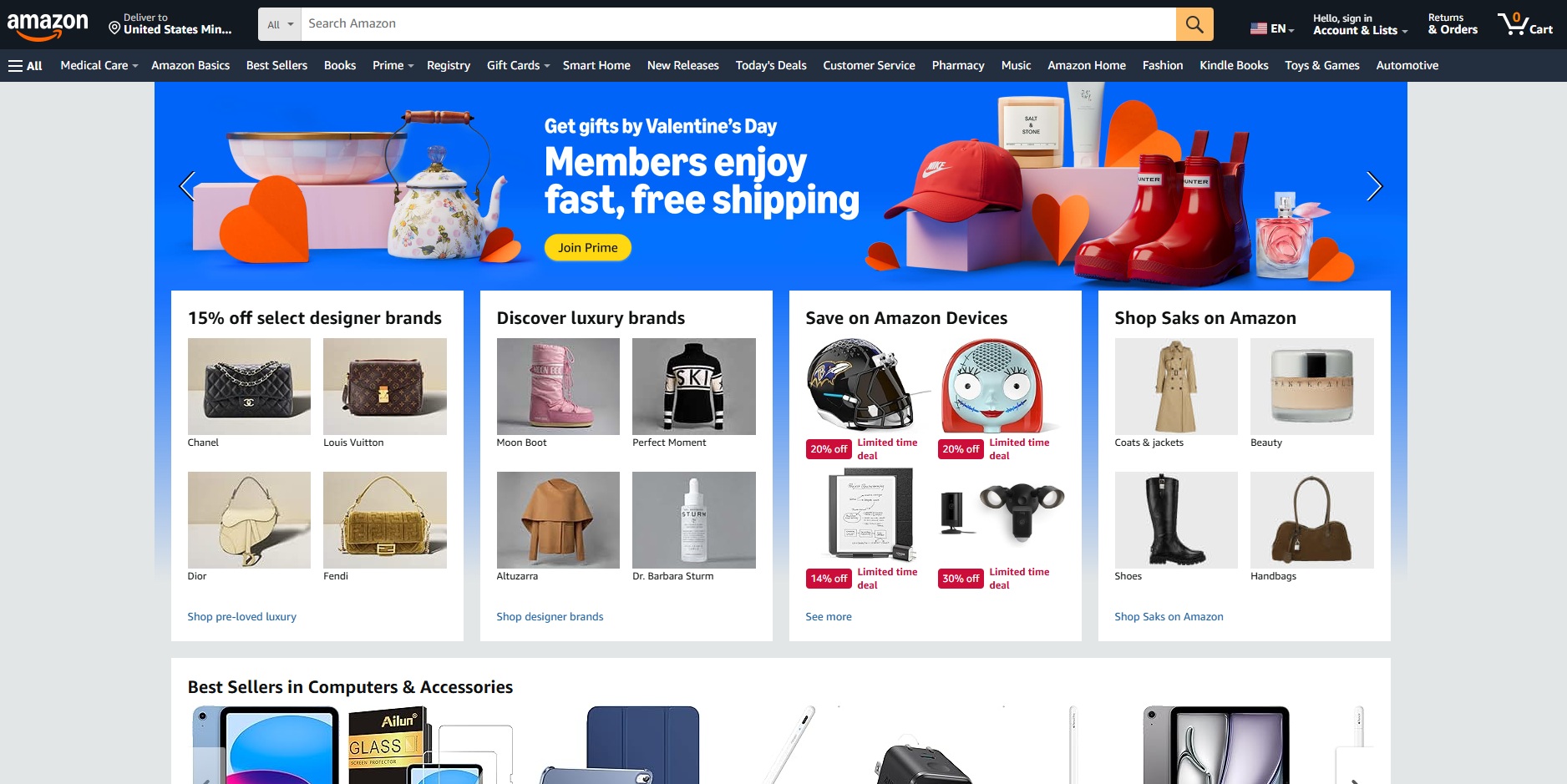
Amazon entered retail by focusing on online book sales, serving customers who valued selection and ease of ordering over physical browsing. This early niche allowed it to build logistics, pricing transparency, and customer trust.
Over time, Amazon expanded into multiple categories and reshaped customer expectations around delivery speed and availability.
What this shows you: disruption can begin with a narrow category and expand by improving infrastructure.
Also Read: Understanding What, Why and How of MVP in Software Development
3. Uber – Transportation
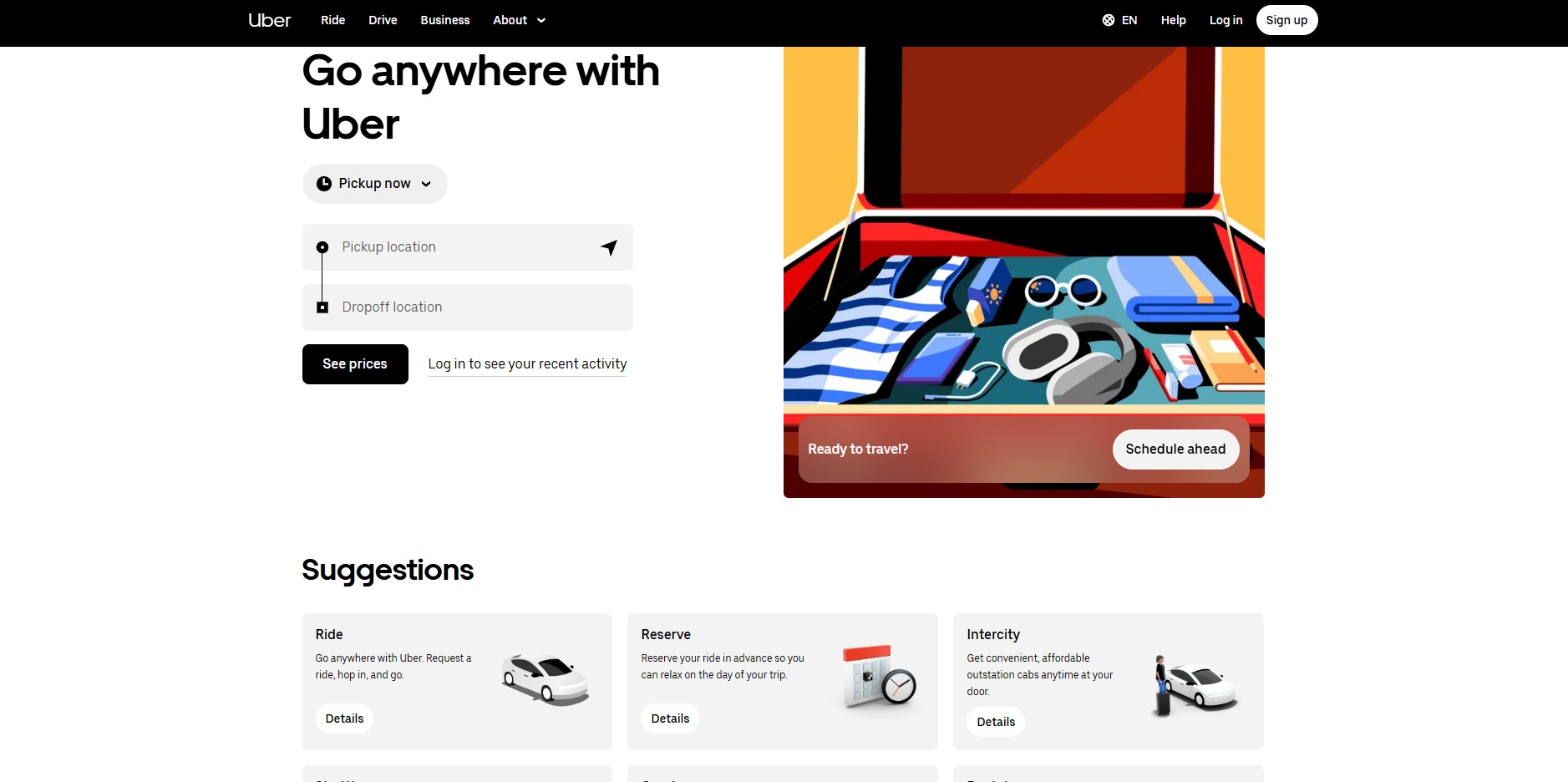
Uber targeted users frustrated by the unreliability of traditional taxis. The platform offered faster access, transparent pricing, and app-based convenience, even though it initially operated outside established industry norms.
As adoption grew, Uber changed how people think about urban mobility and on-demand services.
What this shows you: customer experience can outweigh legacy systems and regulations early on.
4. Airbnb – Hospitality

Airbnb enabled individuals to rent unused living spaces to travelers seeking affordable and flexible lodging. Early users accepted less standardized accommodations in exchange for price and location benefits.
This model challenged hotel chains by expanding supply without owning physical assets.
What this shows you: unlocking underused assets can disrupt asset-heavy industries.
5. Tesla – Automotive

Tesla entered a market where electric vehicles were seen as impractical. By focusing on performance, software integration, and charging infrastructure, Tesla reframed electric cars as premium and desirable.
Legacy automakers were forced to accelerate electric vehicle strategies in response.
What this shows you: disruption can come from redefining product expectations, not just lowering cost.
6. Apple – Consumer Technology
Smartphones consolidated multiple devices into one accessible platform. By combining communication, computing, and applications, smartphones disrupted cameras, music players, and personal digital assistants.
This shift changed how users interact with technology and how software ecosystems are built.
What this shows you: platform convergence can disrupt multiple industries at once.
7. Spotify – Music Industry
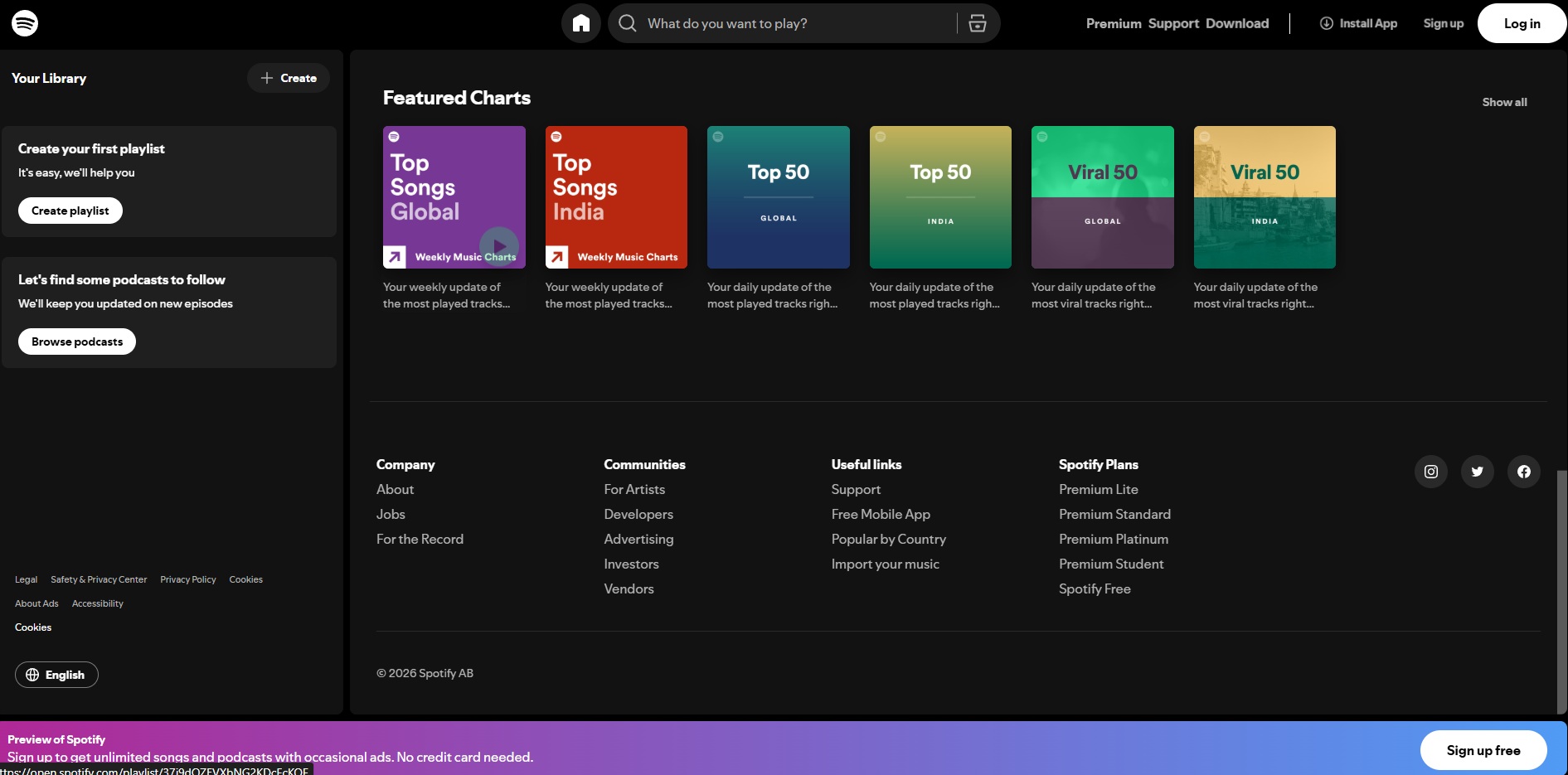
Spotify addressed music piracy and ownership fatigue by offering subscription-based streaming. Early users accepted limited ownership in exchange for access and personalization.
This model changed how music is distributed, monetized, and discovered.
What this shows you: changing access models can be more disruptive than changing content.
8. PayPal – Financial Services
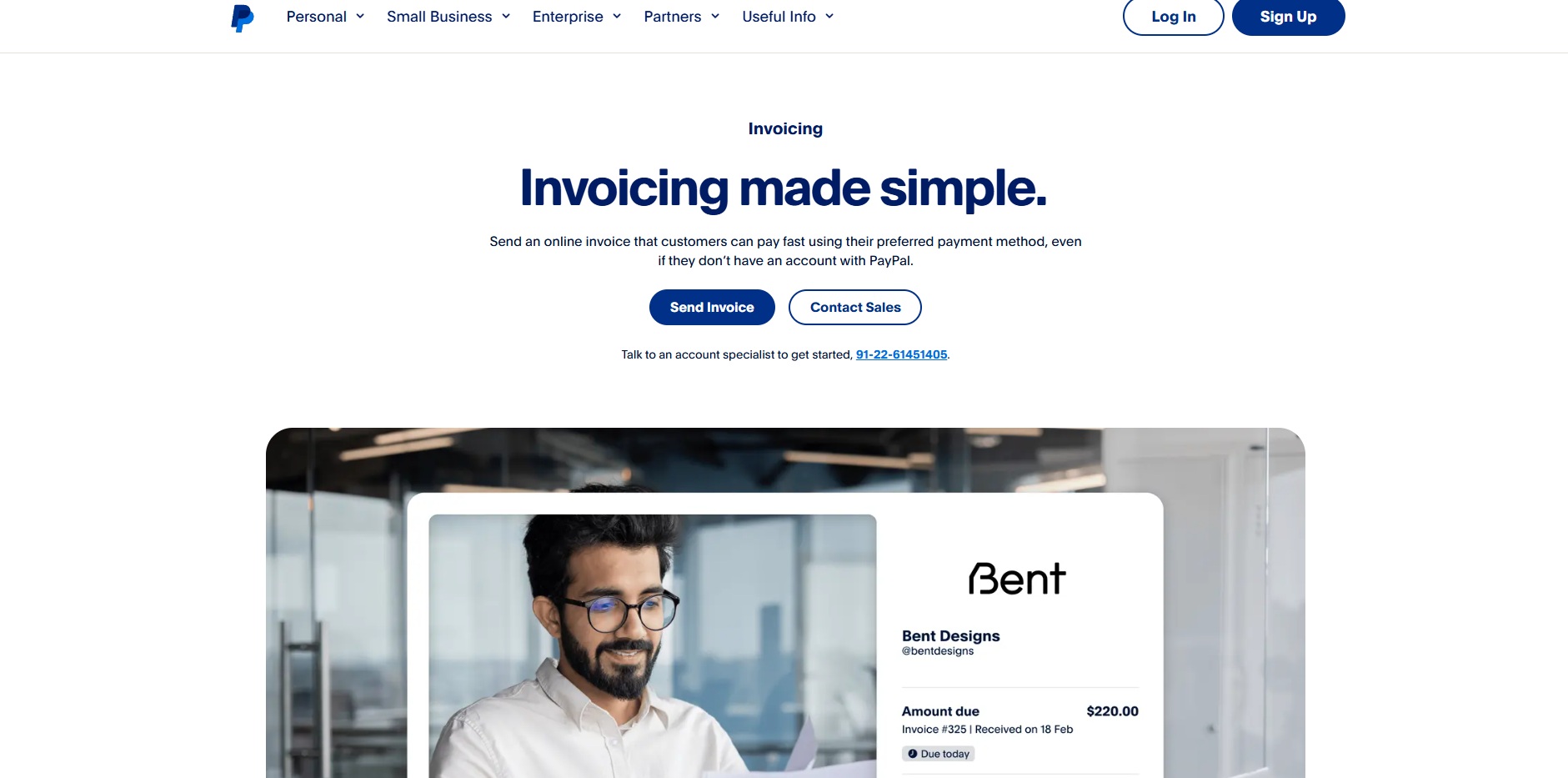
PayPal simplified online payments for users and small businesses that traditional banking systems underserved. Its ease of use accelerated digital commerce adoption.
Banks later adapted similar experiences, but PayPal shaped early expectations.
What this shows you: reducing friction in financial workflows can unlock large-scale adoption.
Also Read: Understanding the Product Development Process: From Idea to Market in 7 Stages
9. Zoom – Workplace Communication
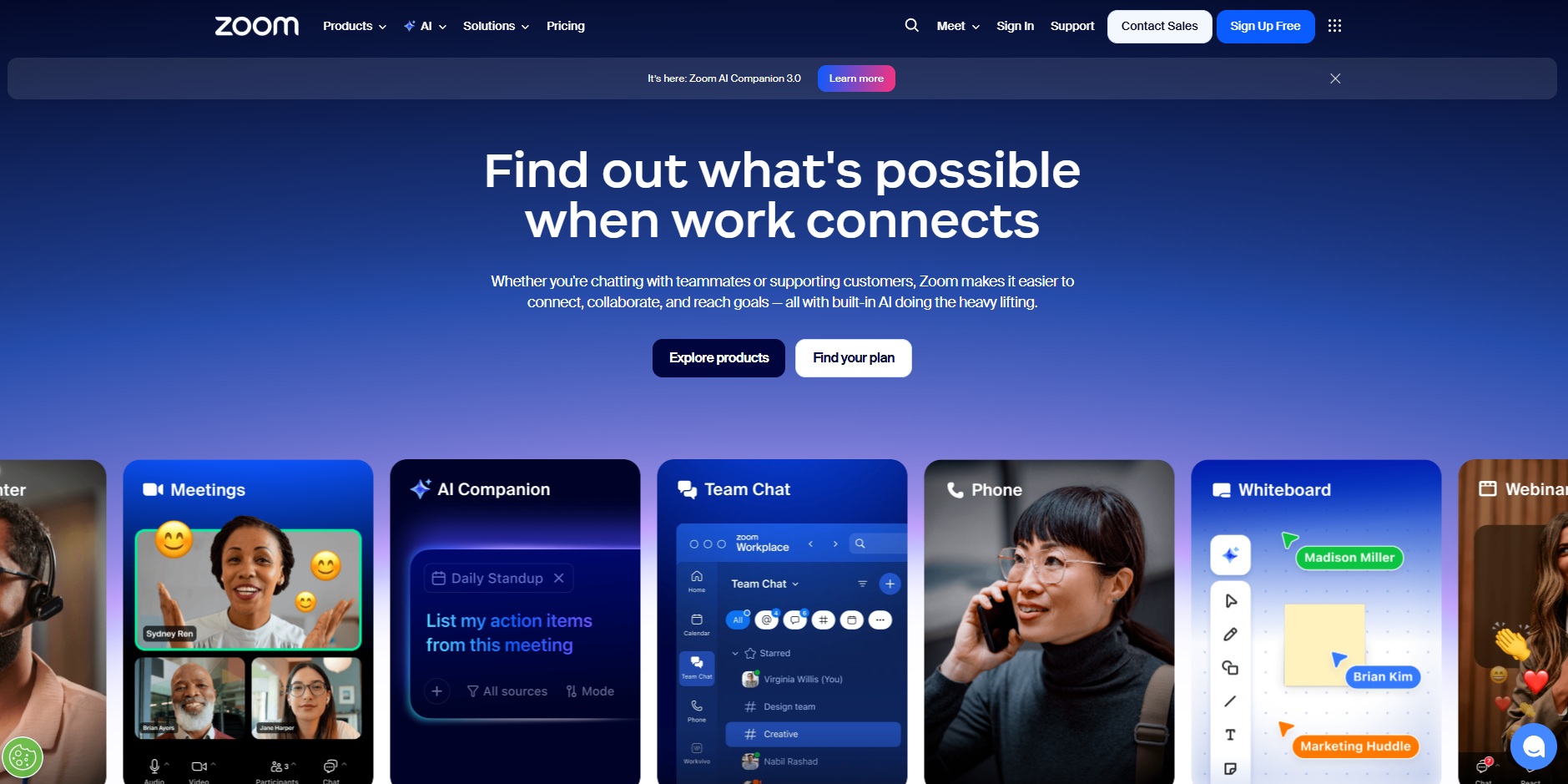
Zoom focused on reliability and ease of use in video conferencing, targeting users frustrated with complex enterprise tools. Adoption accelerated as teams prioritized simplicity over feature depth.
The platform reshaped how organizations collaborate remotely.
What this shows you: solving usability gaps can disrupt established enterprise software.
10. Salesforce – Enterprise Software
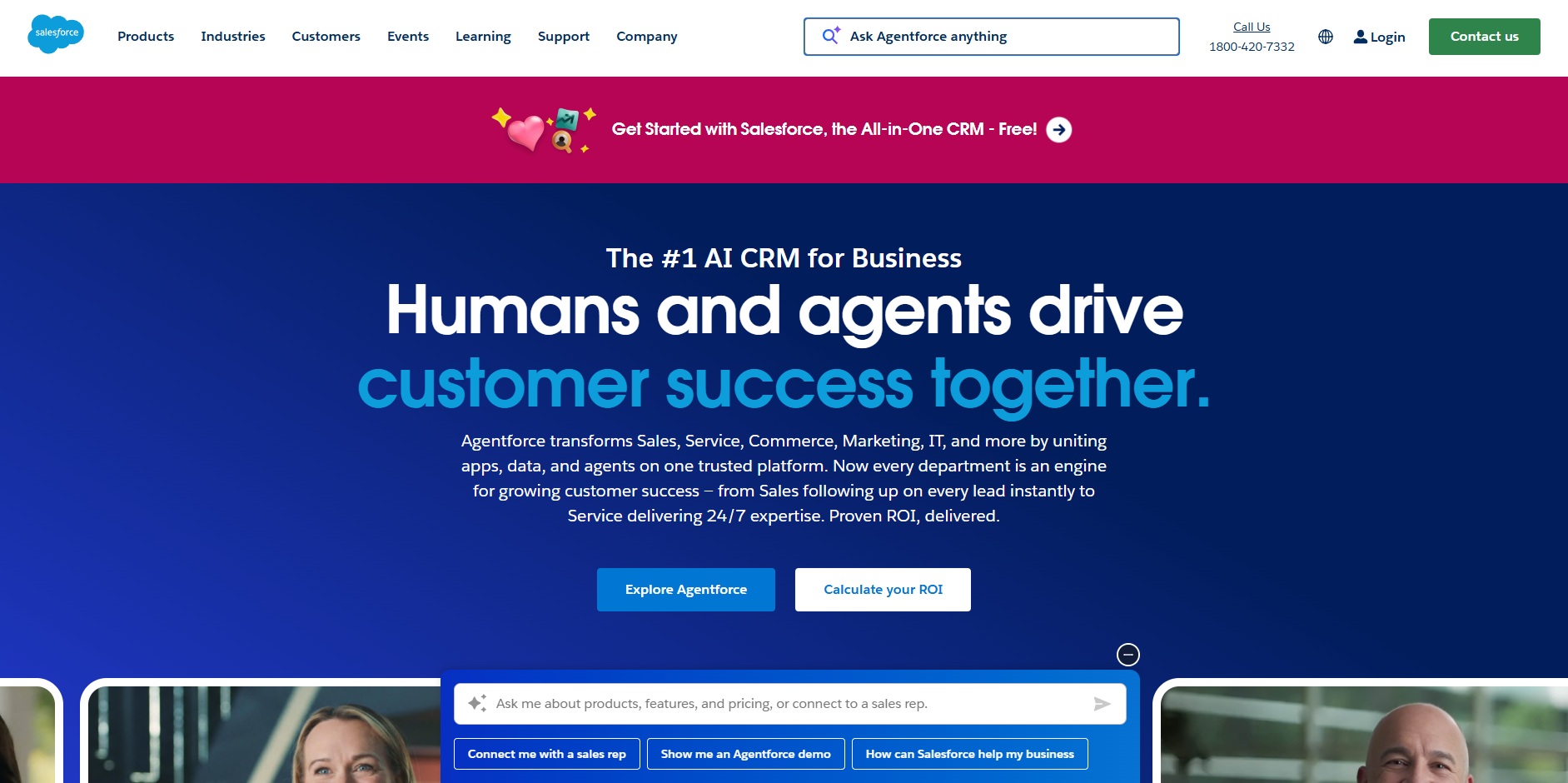
Salesforce challenged traditional on-premise CRM systems by offering cloud-based subscriptions. Early adopters accepted fewer customization options in exchange for lower setup effort and scalability.
This model reshaped enterprise software purchasing and deployment.
What this shows you: shifting delivery models can disrupt long-standing enterprise norms.
Understanding disruptive innovation is one thing; executing against it is another. With Codewave’s Digital TransformationandAI-led Product Acceleration Services, you can build, test, and scale new business models or customer-centric platforms that keep you ahead of market shifts.
What These Disruptive Innovation Examples Mean for Your Business Strategy
These examples are not just success stories. They highlight recurring patterns that directly affect how you should think about growth, technology investment, and risk.
- Disruption rarely starts with your best customers.
It usually grows in segments you consider low priority. If your strategy focuses only on protecting existing revenue, you are likely to miss early warning signals. - Disruption reshapes business models before it reshapes products.
Changes in pricing, distribution, and delivery models typically appear long before performance reaches enterprise standards. This is why incumbents often delay action. - Speed of learning matters more than scale in the early stages.
Companies that experiment, test assumptions, and iterate quickly are better positioned to respond than those relying mainly on long-term forecasts. - Strategy must enable experimentation and fast validation.
Your operating model and technology stack need to support rapid testing and flexibility. Waiting for certainty usually increases risk rather than reducing it.
How You Can Respond to Disruptive Innovation
You do not need to disrupt your industry to survive disruption. You need the ability to adapt faster than change unfolds.
1. Start With Small, Measurable Experiments
Instead of committing large budgets upfront, test ideas through pilots, prototypes, or limited rollouts. This helps you learn without destabilizing core operations.
2. Invest in Flexible Technology Foundations
Rigid systems slow down response time. Cloud-based platforms, modular architectures, and automation allow faster adaptation as customer needs change.
3. Align Teams Around Outcomes, Not Outputs
Disruptive companies focus on customer value and adoption metrics rather than feature volume. This alignment improves decision quality across teams.
4. Build Continuous Feedback Into Delivery
Customer feedback, usage data, and performance metrics should inform decisions early, not after large releases.
5. Build Adaptive Systems and Teams
If your current tech stack or delivery approach slows innovation, Codewave helps you modernize legacy systems, enable continuous feedback loops, and align teams around outcomes, not outputs.
At Codewave, disruptive innovation is approached as a structured process, not a one-time idea. The focus is on helping you identify opportunities, validate them early, and scale solutions without unnecessary risk.
Codewave works with startups, SMEs, and enterprises to:
- Translate emerging ideas into viable digital products
- Build MVPs and prototypes for early validation
- Modernize platforms using cloud, AI, and automation
- Design customer experiences that support adoption and retention
This approach helps you explore innovation without disrupting core operations prematurely.
You can see how Codewave applies these principles across industries by exploring the portfolio.
If you are exploring new business models or modernizing existing platforms, Codewave’s digital transformation and product engineering services can help you move faster with clarity.
Conclusion
Disruptive innovation reshapes industries by changing how value is delivered, not by outperforming incumbents from day one. The companies that succeed are those that recognize patterns early, experiment responsibly, and adapt continuously.
For you, the takeaway is clear. Staying competitive requires more than protecting what works today. It requires building the capability to respond when customer expectations, technology, or markets shift.
If innovation and long-term growth are priorities, aligning strategy, technology, and delivery becomes essential.
Looking to explore new opportunities or modernize your digital foundation? Learn how Codewave can help you turn innovation into scalable outcomes. Connect with our experts today.
Frequently Asked Questions
1. What qualifies as a disruptive innovation example?
A disruptive innovation example shows how a product or service enters through an underserved segment, improves over time, and eventually challenges established players.
2. Is disruptive innovation only driven by technology?
No. Technology often enables disruption, but changes in business models, pricing, or access are usually the main drivers.
3. Can established companies create disruptive innovations?
Yes, but it requires separating experimentation from core operations and accepting lower margins early on.
4. Which industries are most affected by disruptive innovation?
Industries with high friction, limited access, or rigid legacy systems are more vulnerable to disruption.
5. How can you prepare your business for disruption?
You prepare by investing in flexible systems, encouraging experimentation, and tracking early signals instead of waiting for market shifts to become obvious.

Codewave is a UX first design thinking & digital transformation services company, designing & engineering innovative mobile apps, cloud, & edge solutions.