

We all know how frustrating it can be to use a poorly designed user interface. Endless loading screens, confusing navigation, and clunky interactions can make even the simplest tasks feel like a chore. For years, usability has been the king of design. The catchphrase? Make it user-friendly, effective, and straightforward.
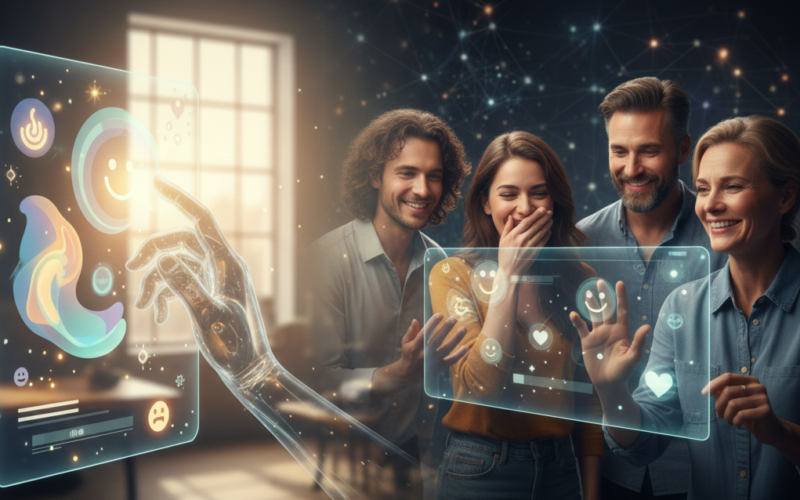
But what happens when usability is no longer enough? What if the future of design isn’t just about how smoothly something works but also how it makes us feel ? Emotions are not just a nice addition to user experience they can be the driving force that determines whether someone stays loyal to a product or abandons it for the next shiny thing.
We’ve entered an era where products and interfaces are expected to do more than just function. They need to connect with us emotionally. In this post, we’ll explore the rise of emotion-centric interfaces designs that do more than just look pretty or work well. They make us feel something. And those feelings are powerful enough to shape our decisions, build brand loyalty, and elevate the entire user experience.
The Power of Emotion in Design
Before diving into how to design for emotions, let’s pause and ask why emotions matter so much. Humans are emotional creatures. We don’t just make decisions based on logic our emotions quietly guide our choices every day.
Think of the products you use daily. Some you keep because they’re functional; others you choose because they make you feel something comfort, excitement, trust, or joy. That’s emotional design in action.
Take Apple, for example. The brand’s power doesn’t just come from its sleek technology it’s from the emotion of owning something that feels premium and thoughtfully crafted. The same goes for brands like Nike, Tesla, or Coca-Cola; their designs resonate emotionally.
For designers and businesses, this matters because emotionally driven interfaces aren’t just memorable they’re sticky. People remember how a product made them feel long after they forget how it worked.
If your product makes users feel something positive, you don’t just earn users you earn advocates. That’s the kind of design impact that drives modern Digital Transformation.
From Utility to Affinity
For decades, design revolved around usability and aesthetics. But while usability ensures ease and aesthetics ensure beauty, emotion ensures connection. A product that’s only usable might work well but does it resonate?
Emotion-centric design shifts the goal from simply solving problems to building affinity. It’s about creating experiences people genuinely care about. You’re no longer just designing screens; you’re designing feelings.
This mindset reflects the principles behind Design Thinking where empathy, storytelling, and human-centered innovation drive every decision.
The Psychology Behind Emotional Design
To design for emotion, it helps to understand the psychology behind it:
- Emotions are tied to memory: People remember emotional experiences far longer than neutral ones.
- Emotions drive decisions: A positive emotional experience can make users overlook minor flaws.
- Humans are social: Interfaces that foster connection (like likes, comments, or sharing) create belonging.
These insights help designers shape not just behavior but attachment.
Key Elements of Emotion – Centric Design
- Storytelling:
Humans connect through stories. Whether it’s a brand journey or a user’s progress path, storytelling fosters emotional investment. (Example: Strava’s design encourages a sense of community and personal growth.) - Personalization:
Tailor experiences using user data, preferences, or patterns. Done right, personalization feels like empathy something AI-driven Application Development can power beautifully. - Emotion-driven visuals:
Colors, typography, and imagery influence feelings. Warm tones excite; cool tones soothe. Apps like Calm or Headspace show how deliberate visuals evoke emotion. - Empathy in interaction:
Micro inter actions animations, sounds, feedback can make users feel recognised and valued.
Designing for Emotions: Where to Begin
- Start with empathy: Understand users’ motivations and frustrations.
- Use microinteractions: Small, thoughtful details can add joy and delight.
- Test for emotions: Ask users not just what worked but how it felt.
- Balance beauty and usability: Emotional design should enhance, not overshadow, functionality.
At Codewave, this approach ties closely with User Experience Design crafting not only usable but emotionally engaging products.
Conclusion: The Future of Design is Emotional
Emotion-oriented design isn’t just a trend it’s a shift in how we see digital experiences. In a world flooded with options, emotional connection is the difference between fleeting engagement and lasting loyalty.
As designers, developers, or business owners, the question is no longer just “How should it work?” but “How should it make people feel?”
Because the future of design isn’t only about making things function it’s about making people feel.

Designation: UX/UI Designer
Bio: UX/UI Designer driven by curiosity and clarity. Focused on creating intuitive, impactful experiences that balance user needs with business goals.